Microcement
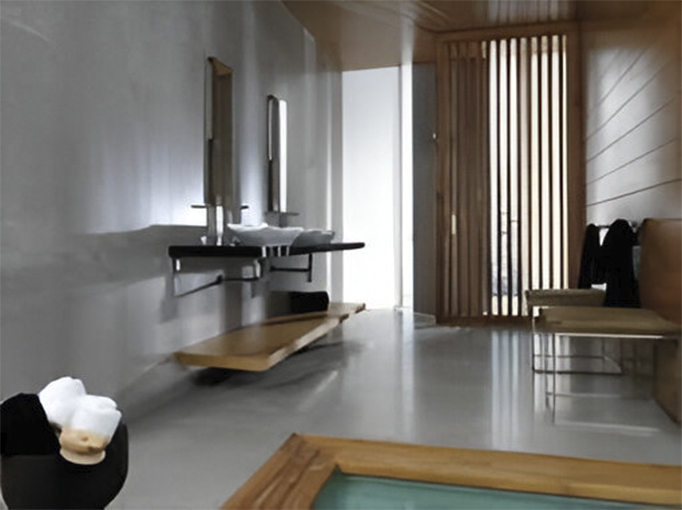
Microcement is a seamless finish that can enhance kitchens, bathrooms, floors and walls when integrated into a well-planned renovation. Its clean appearance without visible joints can work particularly well in private homes, but performance depends on substrate preparation, waterproofing where required and correct application of the system.
MILOBRAS does not treat microcement as an isolated finish unrelated to the wider project. Before recommending it, we assess damp, cracks, adhesion, surface evenness, ventilation, everyday use, lighting and compatibility with the other finishes. This assessment helps avoid solutions that look attractive at first but perform poorly in daily use.
Microcement in Complete Renovations
When microcement forms part of a complete renovation, it must be coordinated with demolition, plumbing, electrical work, waterproofing, flooring, wall coverings, cabinetry and painting. The work sequence affects the final result. Poor substrate preparation or application at the wrong stage can compromise the durability of the finish.
This material can create visual continuity between rooms, reduce visible joints and simplify the overall appearance of a space. It should nevertheless be selected carefully: not every surface is suitable, and different uses require different technical solutions.
Microcement in Bathrooms and Kitchens
Microcement in bathrooms requires particular attention to waterproofing, ventilation, drainage falls, shower areas and maintenance. Where the project includes sanitary fixtures, shower trays, cabinetry and lighting, this stage should be coordinated with the wider bathroom renovation.
Microcement in kitchens can be used on floors, walls or decorative areas, provided that the finish and sealant are suitable for everyday use. Kitchens are subject to frequent cleaning, splashes, foot traffic and contact with furniture and appliances, so this decision should form part of a wider kitchen renovationplan. This ensures that the surface works well with the countertop, lighting, cabinetry and appliances.
Surface Preparation and Application
A successful seamless finish begins before the first coat is applied. The substrate must be cleaned and leveled, primer applied, critical areas reinforced where necessary, drying times observed and the finished surface protected. Skipping stages can cause staining, cracks, poor adhesion or premature wear.
For floors, we assess foot traffic, transitions to adjoining rooms, comfort, durability and maintenance. For walls, we consider light, texture and the relationship with other materials. When the client is comparing options, we assess microcement within the wider context of floor and wall coverings, so that the decision is based on technical suitability as well as appearance.
Colors, Maintenance, and Final Selection
Microcement colors can create neutral, mineral, warm or more distinctive interiors. Their appearance changes with the light, surface area and selected finish. A sample is useful, but it does not replace assessing the material in the actual space.
Maintenance must be appropriate to the sealant used. Abrasive products, sharp objects and persistent moisture can reduce the durability of the finish. The project budget depends on the area, substrate condition, texture, color, final protection and coordination with other work. The best decision begins with a technical visit and a clear assessment of the property.
Color Catalog
The catalog below presents a selection of available microcement colors for visual comparison. Samples help compare tones, but the final appearance may vary with the light, surface area and selected finish.
View MILOBRAS portfolioto see completed projects and the standard of finishes, organization and project oversight we bring to renovations.








































Request a quote for your complete renovation or contact us via our contact page